Gettysburg

Faculty / Staff Detail


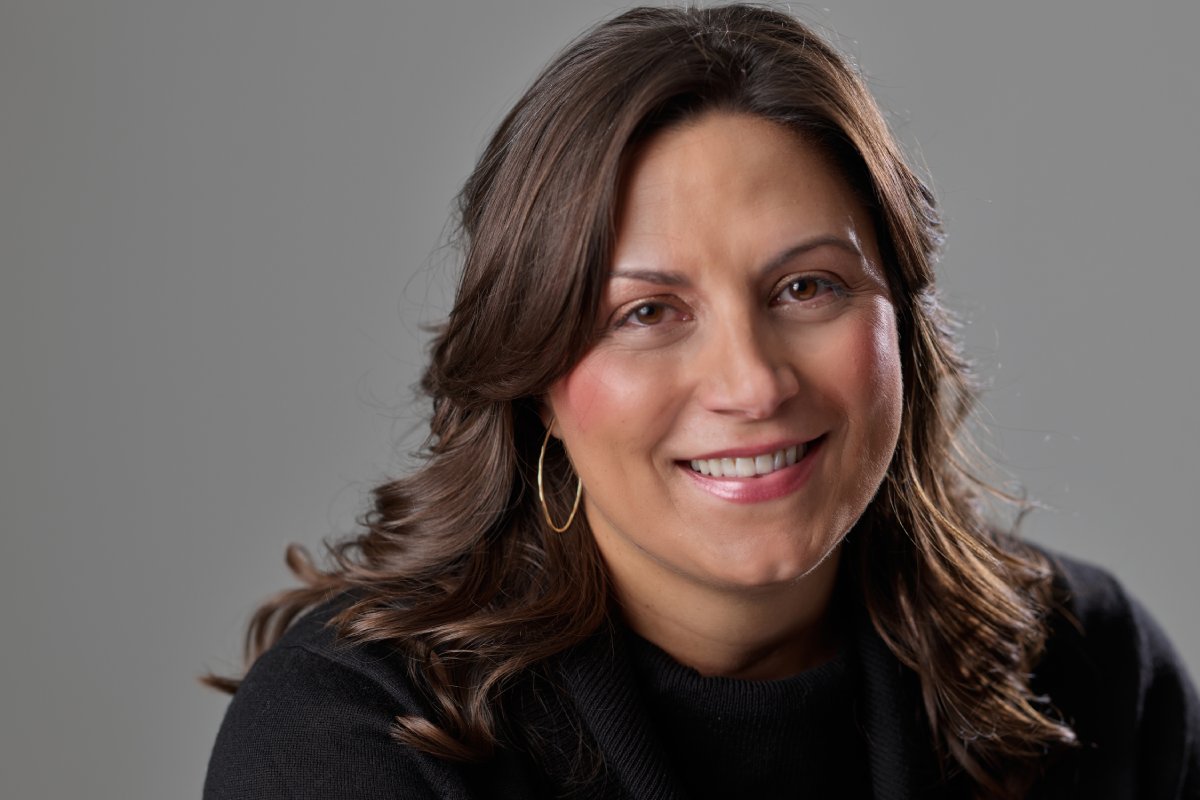
Steve SiviyName: Steve Siviy
Email: ssiviy@gettysburg.edu
Title/Dept: Chairperson/Professor, Psychology

Box: Campus Box 0407
Address: McCreary
Room 316
300 North Washington St.
Gettysburg, PA 17325-1400

Phone: (717) 337 - 6180
Degree(s): BA Washington & Jefferson College, 1979
MS Rensselaer Polytechnic Institute, 1981
PhD Bowling Green State University, 1985

Courses Taught: Behavioral Neuroscience
Introduction to Brain & Behavior


Academic Focus: Behavioral neuroscience

I came to Gettysburg after doing post-doctoral work at the University of Sydney and UCLA. I currently teach courses in behavioral neuroscience, psychopharmacology, and statistics. My primary research interest is to identify neurobiological substrates of mammalian playfulness.

Why study play? And why study play in rats? Almost all mammals play. It doesn't seem to matter if you're a rat, dog, or human; there's something simply irresistible about a good bout of raucous social play. What makes mammals so playful? Are we genetically pre-programmed to have fun? Can early postnatal experiences influence how much we play? What kind of processing goes on in the brain that can make one youngster more, or less, playful than another? Using the young rat as a model system for studying rough-and-tumble play, work in my lab addresses questions such as these. Some of the more recent publications from my lab are listed below:

Siviy, S.M., and Panksepp, J. (2011). In search of the neurobiological substrates for social playfulness in mammalian brains. Neuroscience and Biobehavioral Reviews, 35, 1821-1830.

Siviy, S.M., Deron, L.M., & Kasten, C.R. (2011). Serotonin, motivation, and playfulness in the juvenile rat. Developmental Cognitive Neuroscience, 1, 606-616.

Siviy, S.M., Crawford, C.A., Akopian, G., and Walsh, J.P. (2011). Dysfunctional play and dopamine physiology in the Fischer 344 rat. Behavioural Brain Research, 220, 294-304.

Siviy, S.M., Steets, C.L., and DeBrouse, L.M.(2010). Effects of chlordiazepoxide on predator odor-induced reductions of playfulness in juvenile rats. Behavioural Brain Research., 206, 254-262.

Siviy, S.M. (2010). Play and adversity: How the playful mammalian brain withstands threats and anxieties. American Journal of Play, 2, 297-314.

Siviy, S.M. (2008). Effects of prepubertal social experiences on the responsiveness of juvenile rats to predator odors. Neuroscience and Biobehavioral Reviews, 32, 1249-1258.

Siviy, S.M., and Harrison, K.A. (2008). Effects of neonatal handling on play behavior and fear towards a predator odor in juvenile rats (Rattus norvegicus). Journal of Comparative Psychology, 122, 1-8.

Siviy, S.M., Harrison, K.A., and McGregor, I.S. (2006). Fear, risk assessment, and playfulness in the juvenile rat. Behavioral Neuroscience, 120, 49-59.

Psychology

Campus Box 407
300 North Washington St.
Gettysburg, Pennsylvania
(717) 337-6171

© 2013 Gettysburg College. All Rights Reserved

logo2