
Choosing your major at Gettysburg College: A journey of inquiry and discovery

When students choose a major at Gettysburg College, they find ways to connect their interests and career ambitions with caring professors and coursework that reshape the way they think about themselves and the world around them.
“What’s your major?”
It’s a question Gettysburg College students get asked often, and the answers aren’t all the same. What responses don’t always reveal, however, is the ways students go about choosing their major.
Majors help focus your interests
When students ask for advice on selecting a major, Health Sciences Prof. Megan Benka-Coker ’09 invites them to describe their interests, what they enjoy learning about most, and what they want to do after college.
Benka-Coker believes Gettysburg’s academic and co-curricular advising network helps students navigate their college education with purpose. “I truly think that Gettysburg College works holistically to guide students as they explore their academic interests and choose majors,” she said.
In many cases, the courses in a major are required for graduate school admissions. However, Benka-Coker said, often students want a “departmental ‘home’ and a place to be among those who are interested in the same topics.”
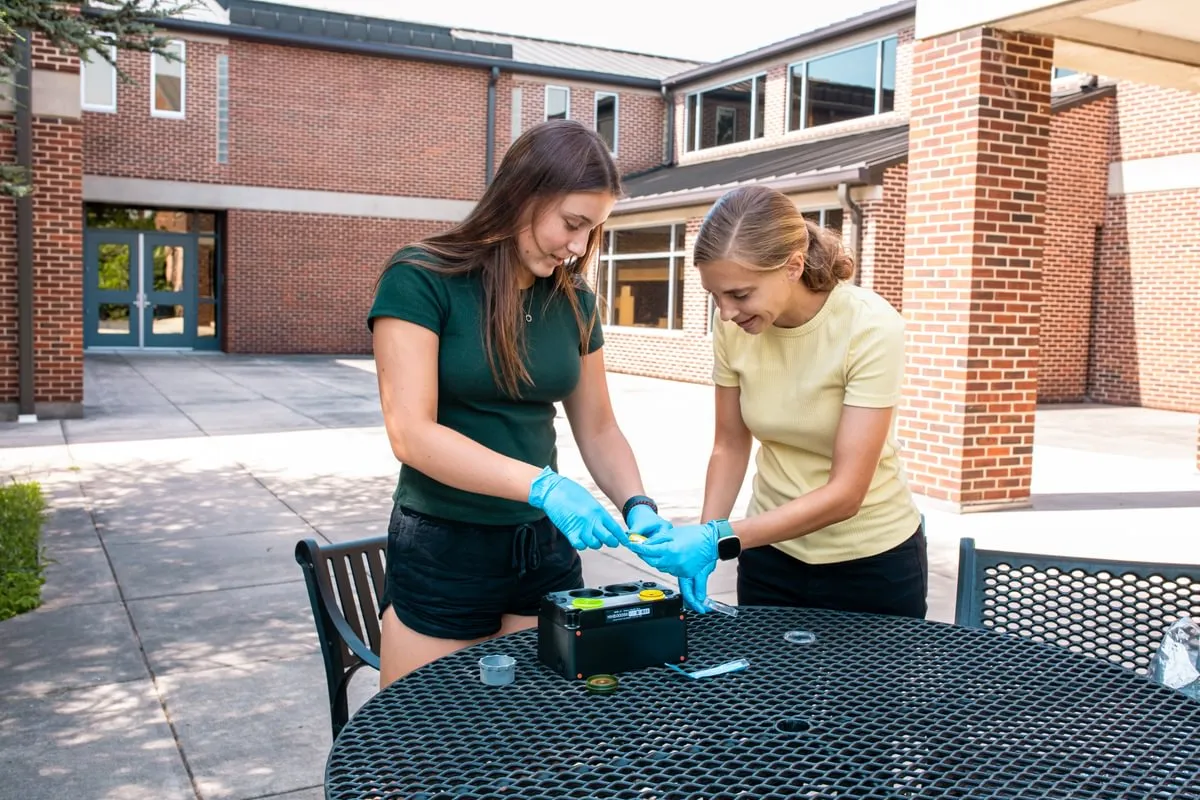
Prof. Megan Benka-Coker ’09 shows Bramley Hawkins ’26 how to set up an air quality detection device outside of McCreary Hall.
Economics Prof. Jamie O’Brien challenges students to view academic majors as “building the lens through which they examine the world.”
O’Brien often encourages students to select well-rounded coursework within their major or add other courses, minors, or secondary majors to complement the coursework for their major.
“In economics, for example, adding a public policy major can provide further real-world context for the technical coursework, or adding a data science minor can sharpen the quantitative toolkit that economics students already cultivate,” he said.
O’Brien emphasizes the importance of students discussing their interests and career objectives early and often.
“I frequently meet with my advisees to discuss course selection, internships, career goals, and even navigating life outside the classroom,” he added. “In my view, these kinds of personal relationships are the most important thing we can offer to support students on their academic paths.”
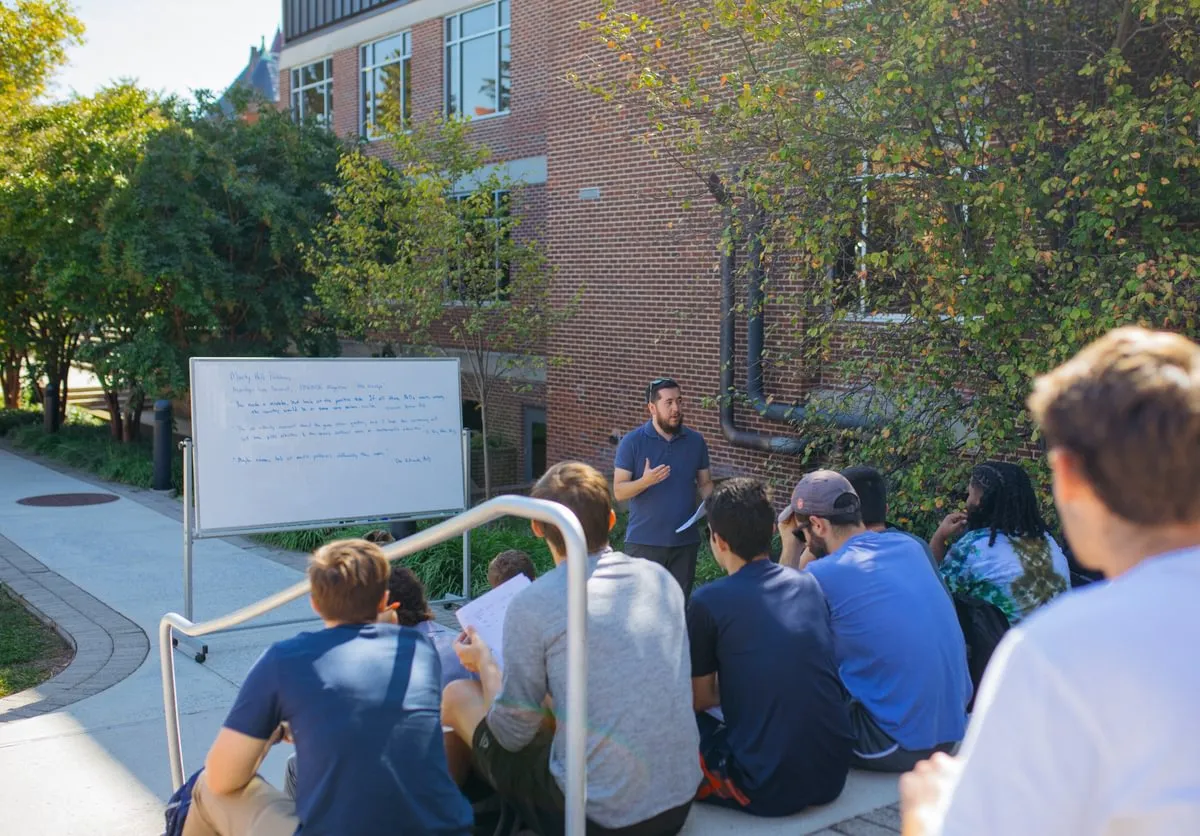
Economics Prof. Jamie O’Brien presents an outdoor session of his probability and statistics course.
Majors can be self-designed
Sera Scherz ’27 from Mount Laurel, New Jersey, was looking for a place at Gettysburg College where she could connect her interests with what she wanted to study: criminology.
Upon speaking with Interdisciplinary Studies Chair Vernon Cisney, Scherz was pleased to discover that, at Gettysburg, she could take the driver’s seat in her own education.
“Originally, I was thinking about studying psychology, as both my parents are psychologists, but I was also interested in learning about criminal justice and law enforcement,” Scherz said. “Doing my research and finding a way to combine the two, I discovered a way to study the behavior behind the crime, and I felt I could work in law enforcement and psychology altogether.”
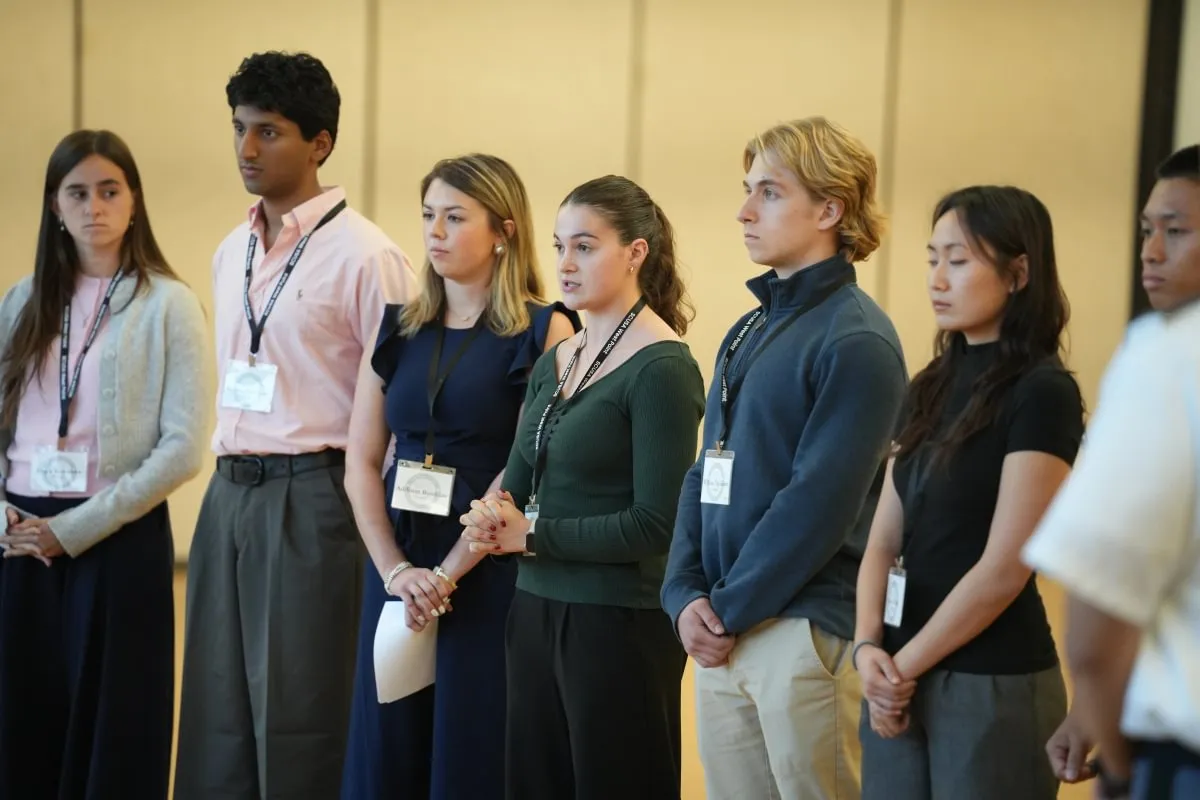
Sera Scherz ’27 is shown during a visit to West Point as part of an Eisenhower Institute experience.
Scherz admitted that it can seem daunting to plan your full course of study for a self-designed major. With support from Cisney and her advisor, Sociology Prof. Craig Lair, Scherz built her program from a mix of psychology, sociology, and philosophy courses.
Through the Eisenhower Institute (EI), Scherz participated in the Washington Summer Fellowship last summer. She acknowledges support from EI Executive Director Tracie Potts, who offered connections that helped open doors for Scherz to intern at the National Center for Missing & Exploited Children.
“It gave me such an appreciation for that type of work. It gave me something I could draw upon for my studies,” Scherz said. “I now have these experiences working at the center where I was able to encounter so many people from so many different backgrounds.”
Majors provide a foundation for career flexibility
Kendall Erpenbeck ’26 from San Jose, California, had long been fascinated by science and the human body. When she began her undergraduate studies at Gettysburg, she first wondered whether she would want to continue her education beyond a bachelor’s degree and pursue a career in health care, either as a nurse, physical therapist, chiropractor, or doctor.
Erpenbeck realized, however, that choosing to major in health sciences, coupled with the well-rounded liberal arts education at Gettysburg, would offer a strong foundation of knowledge that would afford her flexibility for the future even if she decided not to pursue a graduate degree.
“Looking back, my liberal arts education let me try a little bit of everything at Gettysburg, from my business minor to my sorority to being a captain on the volleyball team, and that’s what led me here,” she said.
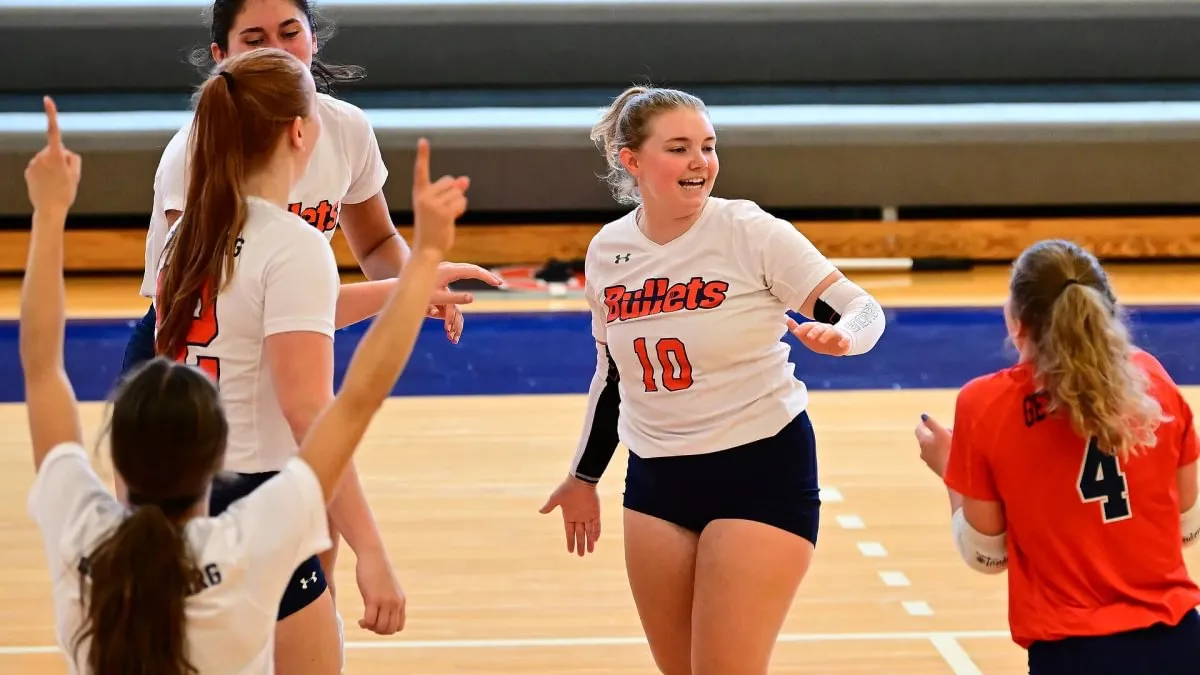
Kendall Erpenbeck ’26 served as captain of the Bullets volleyball team during her senior year at Gettysburg.
Today, Erpenbeck is applying the knowledge and experiences she’s gleaned from her health sciences coursework as a sales development representative at Anatomage. This firm manufactures the virtual dissection tables used by students in Gettysburg’s Science Center.
“My liberal arts education let me try a little bit of everything at Gettysburg.” - Kendall Erpenbeck ’26
“I’ve been in the shoes of the students using our product,” Erpenbeck noted. “When I’m talking with professors, physicians, or high school teachers, I’m not just reading from a script. I can speak from my own experience about what the table did for me as a student and how it can help them.”
Majors can open doors to postgraduate study
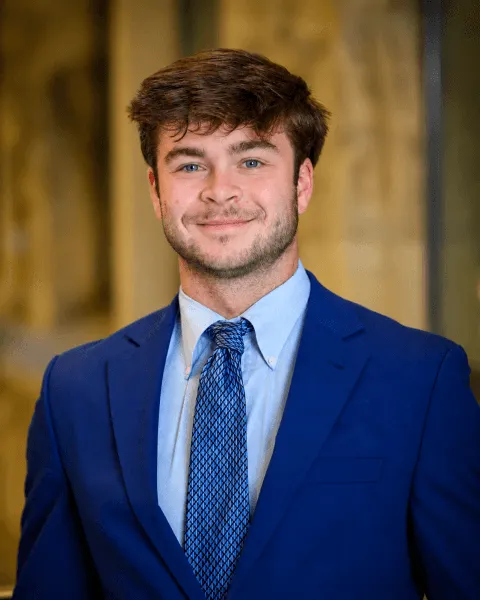
Zach Klein ’26 is pursuing a master’s degree through Loyola University’s Emerging Leaders MBA program
At Gettysburg, Zach Klein ’26 from West Chester, Pennsylvania, aligned communication, leadership, and teamwork skills with a goal of pursuing graduate studies. When he learned about the partnership between Gettysburg and Loyola University’s Emerging Leaders MBA program, he felt confident it would be the next step in his education.
Klein—who majored in business, organizations, and management, and minored in data science— credits the meaningful relationships he built with professors at Gettysburg, along with the small class sizes and collaborative learning environment, with encouraging him to think critically, ask questions, and gain confidence in his abilities.
“I’ve found that Loyola University’s Emerging Leaders MBA program offers a very similar environment, with a strong emphasis on building relationships with professors and fellow cohort members,” he said. “Being surrounded by motivated individuals who bring different perspectives and experiences to the classroom has made the transition from Gettysburg to Loyola feel natural.”
Klein said that adaptability and flexibility are the biggest advantages a Gettysburg education can give its graduates.
“You aren’t limited to one specific career path,” he explained. “The combination of a liberal arts education, practical experiences, and strong faculty relationships gives you the confidence to pursue opportunities you may not have initially considered.”