
Jenny Stone ’76 found mentors, opportunity, and direction at Gettysburg College, opening the door to a trailblazing career in athletic training and Olympic sports medicine. Today, she gives back to help future students discover their own paths.
Jenny Stone ’76 sometimes says her career in athletic training began with an unlucky fall or maybe, she admits, a lucky one.
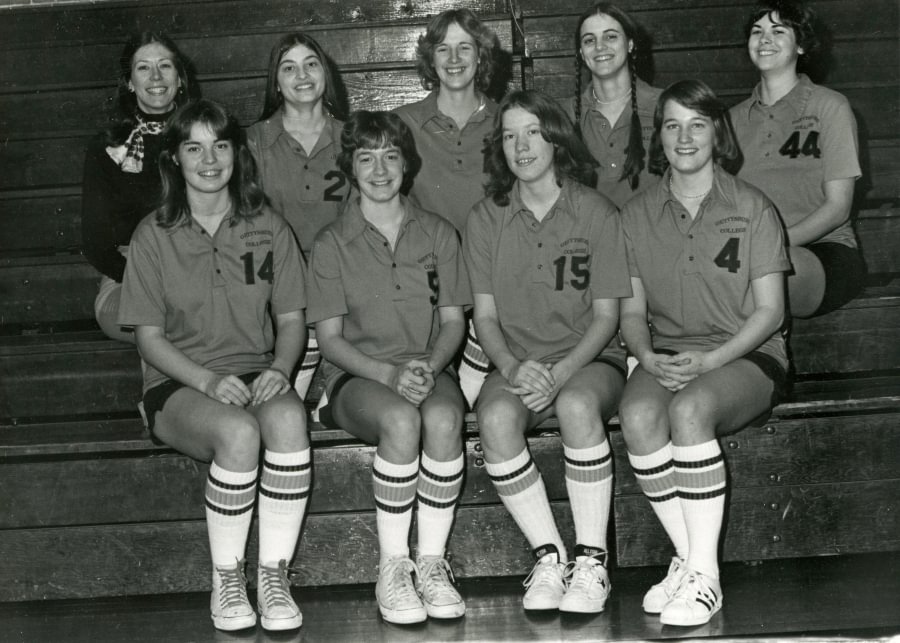
Stone was a sophomore physical education major at Gettysburg College when she hurried up a wooden spiral staircase in Plank Gym on the way to gymnastics class, slipping and breaking her foot. Suddenly, the student-athlete who had played field hockey and basketball found herself with something unfamiliar: free afternoons.
That unexpected opening changed everything.
Prior to the injury, Stone had taken a class with Gareth “Lefty” Biser ’57, the longtime Gettysburg athletic trainer whose influence would ripple through generations of students. The course, then called Health and Safety Services, introduced her to a new profession.
“I didn’t know that athletic training existed,” Stone recalled. “To be frank, for the most part for women, it did not exist.”
Jenny Stone ‘76
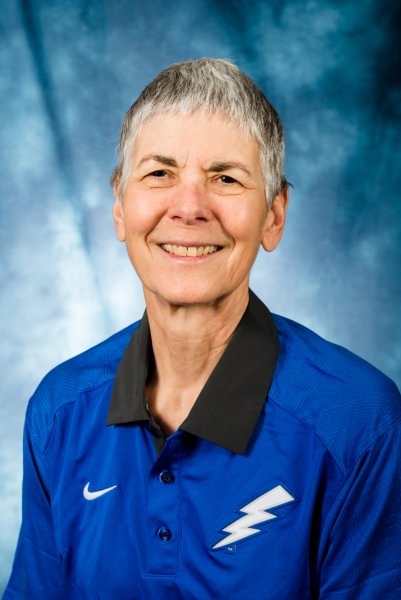
- Athletic Trainer at U.S. Air Force Academy (2008-present)
- Former Head Athletic Trainer at U.S. Olympic Training Center-Colorado Springs (1978-2000)
- National Athletic Trainers’ Association Distinguished Athletic Trainer Award (2005)
- Rocky Mountain Athletic Trainers’ Association Hall of Fame (2012)
- Colorado Athletic Trainers Hall of Fame (2015)
- 1832 Society Member
In the early 1970s, athletic training was still overwhelmingly a male-dominated profession. Women’s athletics, even in the years following the passage of Title IX, remained an afterthought at many institutions. At Gettysburg, Stone remembered, female athletes could receive treatment from the athletic trainers, but not always with the same access or convenience available to men’s teams.
When Biser needed help in the athletic training room, the opportunity represented more than a campus job for female students like Stone. It placed her within a larger movement reshaping athletics—one in which women were steadily gaining access to spaces, roles, and professional pathways that had long been limited.
For Stone, it was not a grand statement. It was work. It was learning. It was a door opening.
“I would like other students to have similar opportunities to what I had.”
– Jenny Stone ’76
Stone had not arrived at Gettysburg with athletic training in mind. A Cedar Cliff High School student from the Harrisburg, Pennsylvania, area, she initially planned to become a physical education teacher and coach. Her high school teacher whose brother attended Gettysburg encouraged her to visit the College, where she was welcomed by a community that felt right. That beautiful November day was the launching pad for a transformational experience bolstered by the support of lifelong mentors.
There was Biser, who introduced her to athletic training. There was Joe Donolli, another steady presence and mentor in the training room. There was Grace Kenney, the legendary coach and educator whom Stone has grown to appreciate more deeply with time.
There were also unexpected academic doors that opened. As a first-year student, Stone took History of the Old Testament, thinking it would be a unique opportunity to read and understand the Bible. She enjoyed it so much that she later took a History of the New Testament class and a course on Buddhism.
That, to Stone, is part of what Gettysburg did best.
“There were a lot of doors that opened to a lot of different places,” she noted. “But nobody shoved me through the doors.”
After graduating from Gettysburg, Stone earned her master’s degree at the University of Arizona and passed her athletic training certification exam in 1977, becoming one of the earliest certified female athletic trainers in the country.
Around the same time, the U.S. Olympic Committee was seeking a volunteer athletic trainer as it launched its first Olympic Training Center at Squaw Valley, California, the site of the 1960 Winter Games. One of Stone’s female colleagues at Arizona who had been selected but could not go, suggested Stone apply, and she got the job.
Stone spent that winter at Squaw Valley and later moved to Colorado Springs, Colorado, as the Olympic Training Center there opened. What began as a volunteer opportunity became a long career in Olympic sports medicine. Stone worked with the Olympic movement through 2000, serving as the senior manager of clinical programs and head athletic trainer.
The influence of her Gettysburg mentors shaped not only what she did, but how she did it. Stone describes Biser’s mentorship as quiet and practical, modeling how to do the work rather than who to become.
“He taught me everything and nothing at the same time,” she said. “It was mentor by example.”
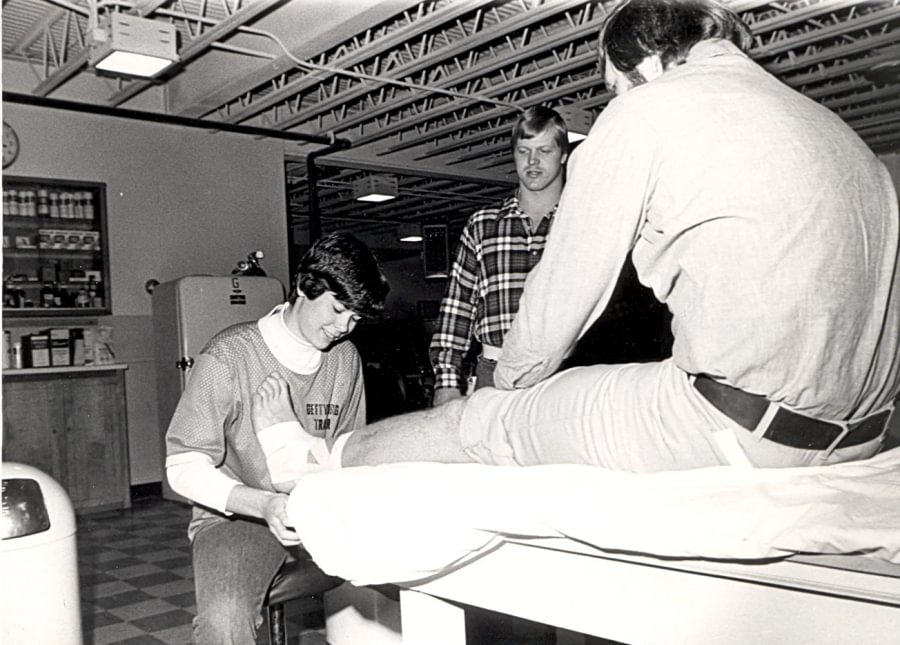
Stone carried that model throughout her career, including to later roles in high school athletic training and at the U.S. Air Force Academy. Whether working with certified athletic trainers, students, or athletes, she tried to lead the way she had been led: by showing up, doing the work well, and helping others see what was possible.
Now, Stone is giving back to the place that helped make that all happen.
Stone has committed $2.4 million to her alma mater—$1.9 million as a bequest and $500,000 to scholarships, campus programming, and athletics. Her philanthropy supports several areas close to her Gettysburg experience, including women’s basketball, athletic training, the Lefty Biser Endowed Scholarship, the Grace Kenney Endowed Scholarship, and the Gettysburg Fund.
What matters to her most is helping students become their best selves, follow their passions, and discover possibilities they may not yet know exist.
“I would like other students to have similar opportunities to what I had,” she said.
For Stone, Gettysburg was never just the place where she earned a degree. It was the place where a broken foot became a beginning, where mentors opened a door, and where a student who did not know athletic training existed found a lifelong calling.
Now, five decades later, she is holding that door open for future Gettysburgians.
Related Links:
By Corey Jewart
Photos provided by Jenny Stone ’76, Gettysburg Athletics
Posted: 09/24/26