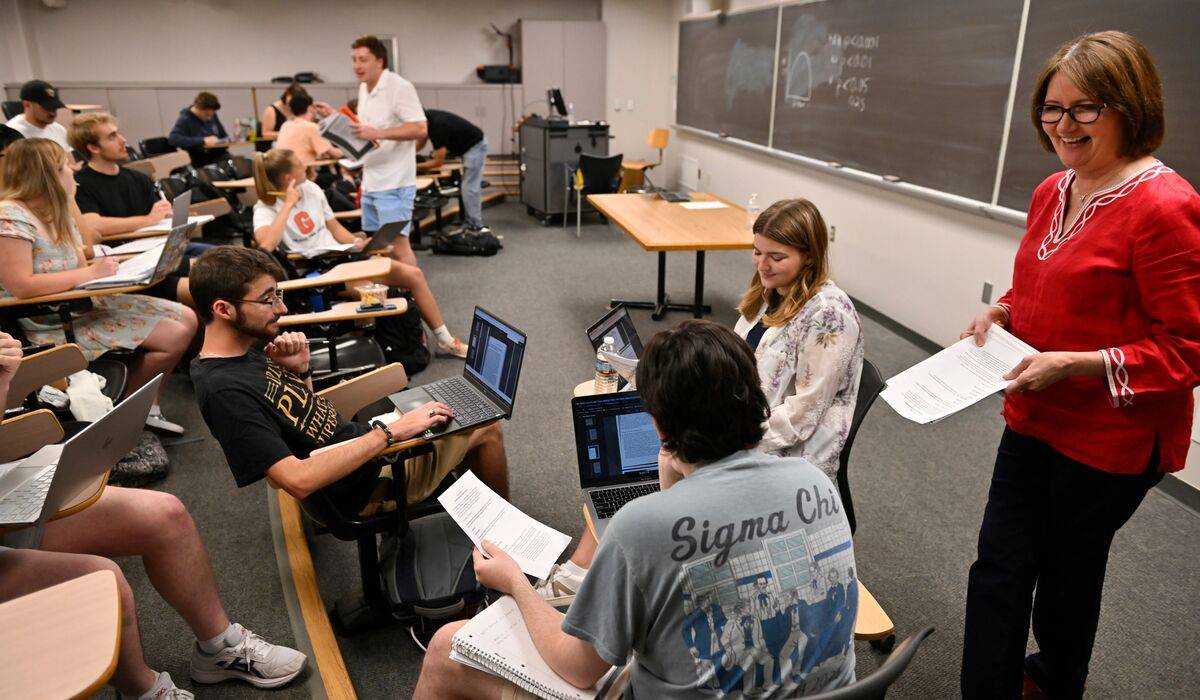
Gettysburg College’s political science career course integrates academics with hands-on professional development, equipping students with practical skills, confidence, and connections through collaboration with the Center for Career Engagement.
Gettysburg College is expanding career-preparation opportunities through an innovative course in the Political Science Department that connects academic learning with real-world professional development. Taught by Chair Caroline Hartzell in collaboration with the Center for Career Engagement (CCE), the class offering reflects the Gettysburg Approach—combining rigorous academics with hands-on experiences that prepare students for meaningful careers.
Designed as a workshop-style course, Professionalization in Political Science (POL 456) helps students identify career goals, develop professional skills, and build the tools needed to navigate life after graduation. From networking and interviewing to crafting resumes, cover letters, and professional portfolios, students engage in practical exercises that translate directly to the job market.
“This course is really about ensuring our political science majors are prepared to go into the job market being able to emphasize the skills they’ve acquired through their liberal arts education,” Hartzell said. “We’re making use of everything we have here—our alumni, our staff, and the different skill sets across campus—to give students a fuller picture of what comes next.”
“The most impactful lesson of this course is that professional development is a lifelong journey. I feel much more prepared for what comes next.”
– Bennett Freeman ’26
That collaboration is central to the course’s design. CCE staff worked alongside Hartzell, who recently received the College's Distinguished Teaching Award, to build a structured learning progression that helps students gain confidence over time.
“This is one of the first times we’ve embedded career development directly into an academic course for credit,” said Jillian Bradley, associate director of employer engagement and marketing in CCE. “We were intentional about creating building blocks—starting with strengths and values, then moving into résumés, interviews, and networking.”

Throughout the semester, students apply what they learn immediately—connecting with alumni, participating in mock interviews, and developing their professional presence online. For Bradley, the long-term value of those experiences is key.
“We want students to leave with a toolkit they can use for life,” she said. “Whether they’re applying for their first job or making a career change years down the road, they’ll have the skills and confidence to take that next step.”
For students, that hands-on approach is what makes the course stand out. Bennett Freeman ’26, a political science major from Columbia, Maryland, said the course has helped him better understand his career path and how to move forward. Through alumni connections and practical exercises, he gained insights he would not have encountered in a traditional classroom.
“In other courses, I certainly learned a lot, and by the end of the semester, I might be applying that knowledge in a final paper or project,” said Freeman, who plans to attend law school after gaining experience in the legal field. “With this particular political science course, every week would feature a new module on how to network or present a better online presence, and then I would go home and do those things right away.”
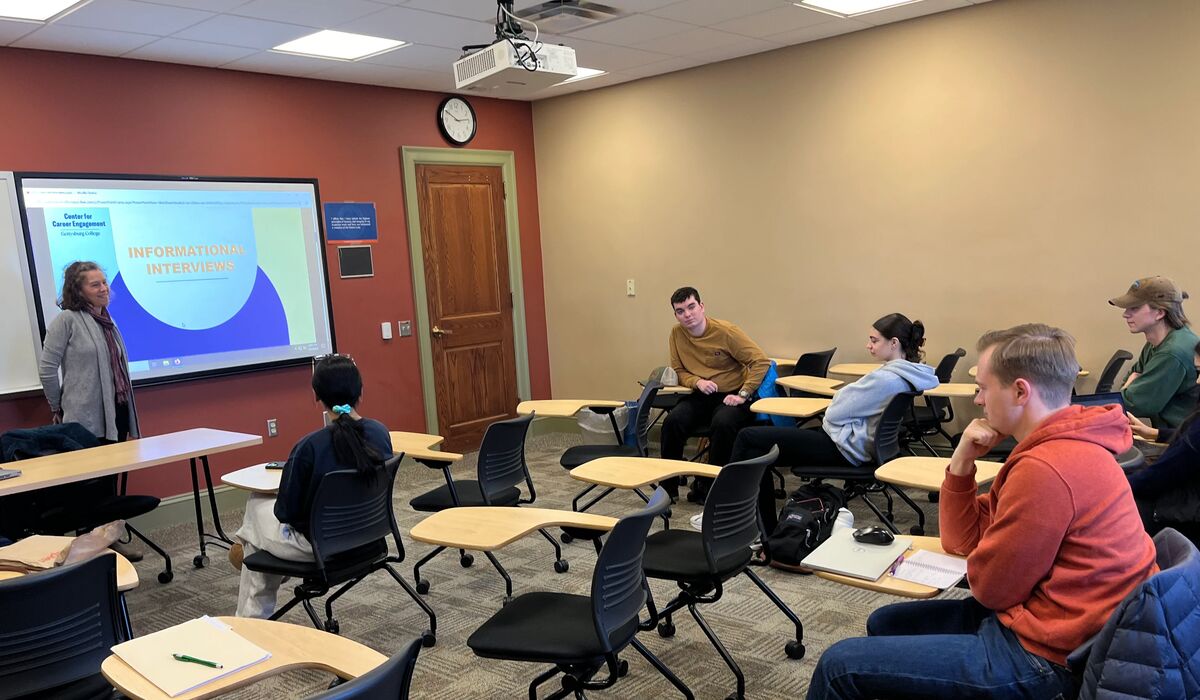
Madisyn Freedman ’27, a political science major from Poughquag, New York, said the course pushed her to step outside her comfort zone and build confidence.
“I went into this class not even having a LinkedIn account and had never spoken to alumni,” Freedman said. “Now I’m on LinkedIn, Handshake, and connectGettysburg. In the past week, I have had meetings with two alumni! This is something I never would have been able to do if not for this class and Prof. Hartzell.”
The impact of the course in its first year also points to future possibilities. Faculty and career advisors see potential for similar collaborations in other departments, expanding access to career-focused learning across the College and reinforcing the value of a liberal arts education in preparing students for a wide range of careers.
“The most impactful lesson of this course is that professional development is a lifelong journey,” Freeman said. “I feel much more prepared for what comes next.”
Develop your unique career path with support from the Center for Career Engagement.
By Corey Jewart
Photos by Jason Minick, Tyler Caruso, Prof. Caroline Hartzell
Posted: 04/29/26