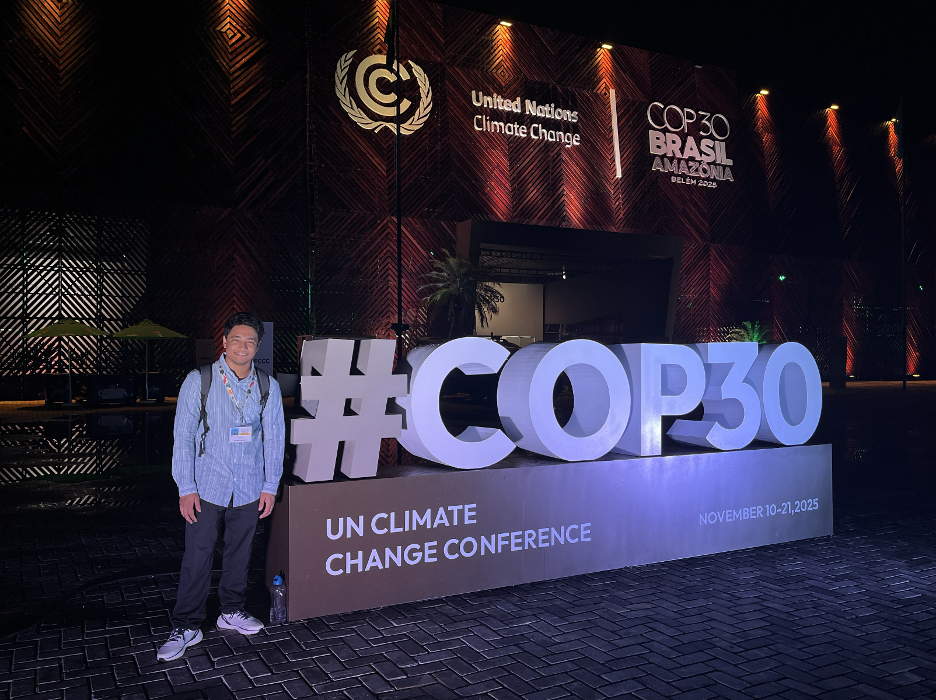
When I arrived in Belém, the Amazonian city of Brazil, I braced myself for a week where its highs and lows would directly define the futures of millions across the world. Every year, the United Nations Framework Convention on Climate Change (UNFCCC) hosts the Conference of Parties (COP), where country representatives, NGOs, industry leaders, civil society, activists, and many others come together to discuss agendas, goals, and objectives related to climate change.
And there I found myself—a Gettysburg College sophomore environmental studies major, among negotiators, lobbyists, researchers, and high-level individuals. Many were involved in drafting the final decision text behind closed doors, while many others were observers indirectly influencing negotiations. As an observer, my goal was similar—to influence high-level decisions through sessions, conversations, and dialogue.
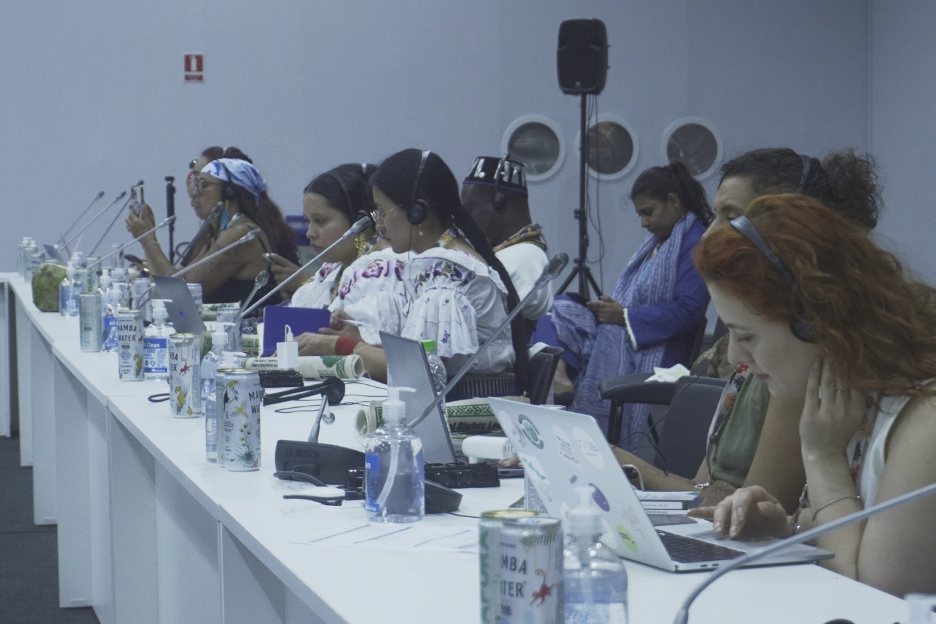
My personal experience at COP30 was nothing short of chaotic. I was constantly juggling meetings, running from one event to another, and barely getting any sleep or food. At one point, there was even a fire! And yet, it was one of the most exhilarating experiences of my life.
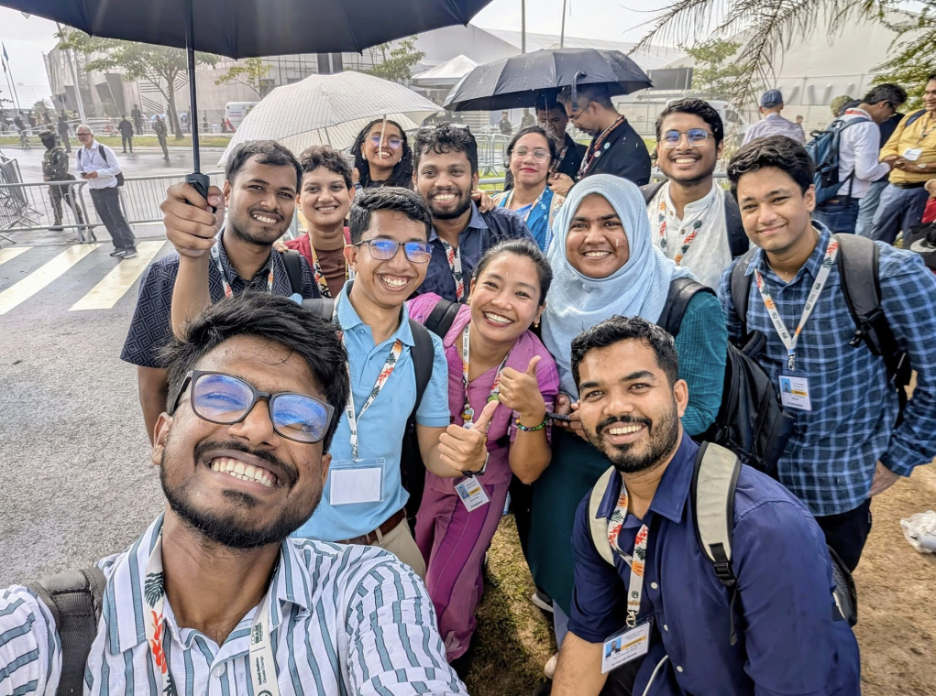
I spent most of my time glued to my laptop, closely following the negotiation texts as they shifted line by line. Outside the formal sessions, the conference was alive with protests, activism, and people passionately fighting for climate justice. I visited different pavilions to look for collaborators for my work and also connected deeply with the youth delegation of my home country, Bangladesh—whose support kept me afloat throughout the week.
Over the past three years, I—along with my team in Bangladesh—have produced various videos and documentaries to advocate for some of the most climate-vulnerable communities affected by cyclones, floods, heat waves, and other climate impacts. These communities are in no way responsible for the crisis, yet they too often suffer its worst consequences. The decisions being discussed at COP directly affect them, and that is why I follow two agendas closely: Climate Adaptation and Loss and Damage. Both are well-established areas under the UNFCCC framework, recognizing that least-developed countries bear the heaviest burdens of a crisis largely caused by high-emitting nations.
However, during this conference, I witnessed how negotiators inside closed rooms would often underplay these agendas and settle for what I view as below-average deals—deals that would deeply affect millions of lives. This is also why I see climate change as fundamentally a communication issue. We have sound science and strong policy frameworks—enough to lay out the next steps we need—but we still fail to understand the gravity of what is happening elsewhere in the world.
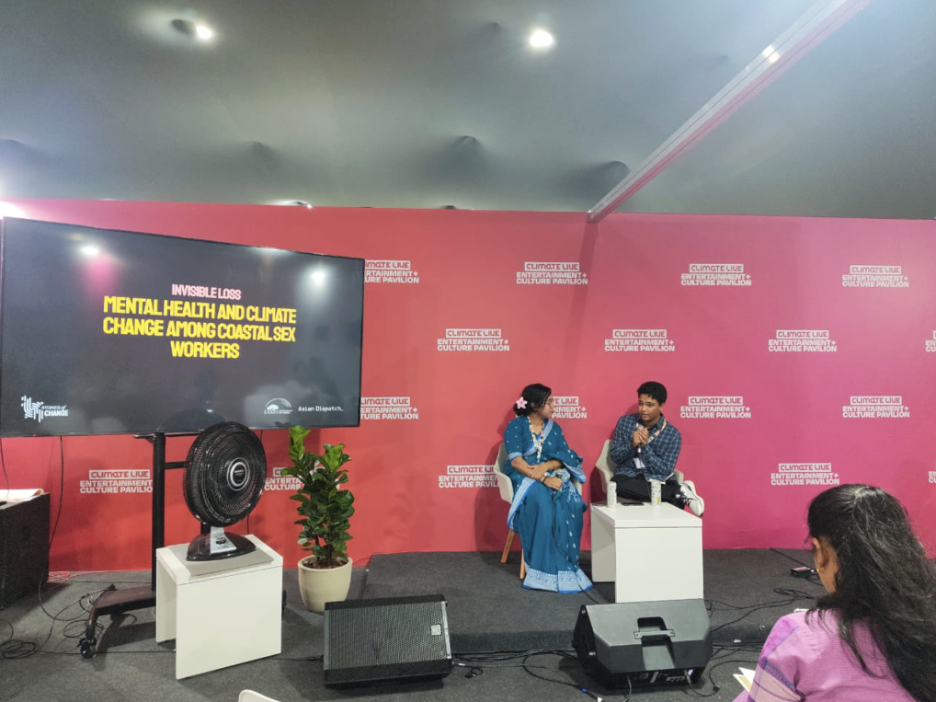
This past summer, my colleague on the project, Usraat Fahmidah, and I received a fellowship from the Earth Journalism Network along with a grant that allowed us to document non-economic loss and damage, focusing specifically on the mental health impacts of climate change on a coastal brothel community. The resulting report and short documentary served as the foundation for the dialogue I aimed to create at this conference.
As I work to communicate climate science to a wider audience in hopes of inspiring tangible policy action, I know how important it is for me to have a deep understanding of the science. Majoring in environmental studies at Gettysburg College, my coursework has helped me directly examine the impacts of climate change. Whether this is through classes like Remote Sensing with Prof. Rud Platt, or Environmental Science and Society with Prof. Monica Ogra, I’ve been challenged and supported in my academic pursuits.
Getting to Brazil was not easy. The trip involved nearly three days in airports and on flights, and attending a conference in the middle of the semester required a lot of coordination. I could not have done it without the generous funding I received from the Guided Pathways program and the guidance of my co-curricular advisor, Dani Delcini.
Through the Justice & Community Change Pathway, I have been able to reflect on my past experiences, connect them to my academic work, and make tangible progress toward my career goals. My Gettysburg professors were incredibly supportive throughout this process, encouraging me to pursue this opportunity even though it meant being away from campus during the semester.
As I reflect on COP30 and prepare for what comes next, I hope to expand my project, learn from past experiences, and continue pushing for climate action. My goal is not simply to work alongside governments or corporations, but to elevate their practices around climate change and steer them toward a more vibrant and sustainable future. This work is part of my ongoing activism through storytelling and communication, hoping that we can amplify our collective voice in a pivotal moment.
As I work to take this movement beyond its existing borders, I also look forward to collaborating with fellow Gettysburgians to deepen conversations about the lived realities of climate change and what real climate justice can look like.
Rifat Abrar Anik ’28 is an environmental studies major from Bangladesh and an eco-rep at the Center for Public Service. His academic and co-curricular interests focus on interdisciplinary approaches to social change, climate justice, and storytelling as a tool for advocacy.
Visit Gettysburg College and explore how the Guided Pathways will open doors for you.
Story by Rifat Abrar Anik ’28
Photos provided by Rifat Abrar Anik ’28
Posted: 12/17/25