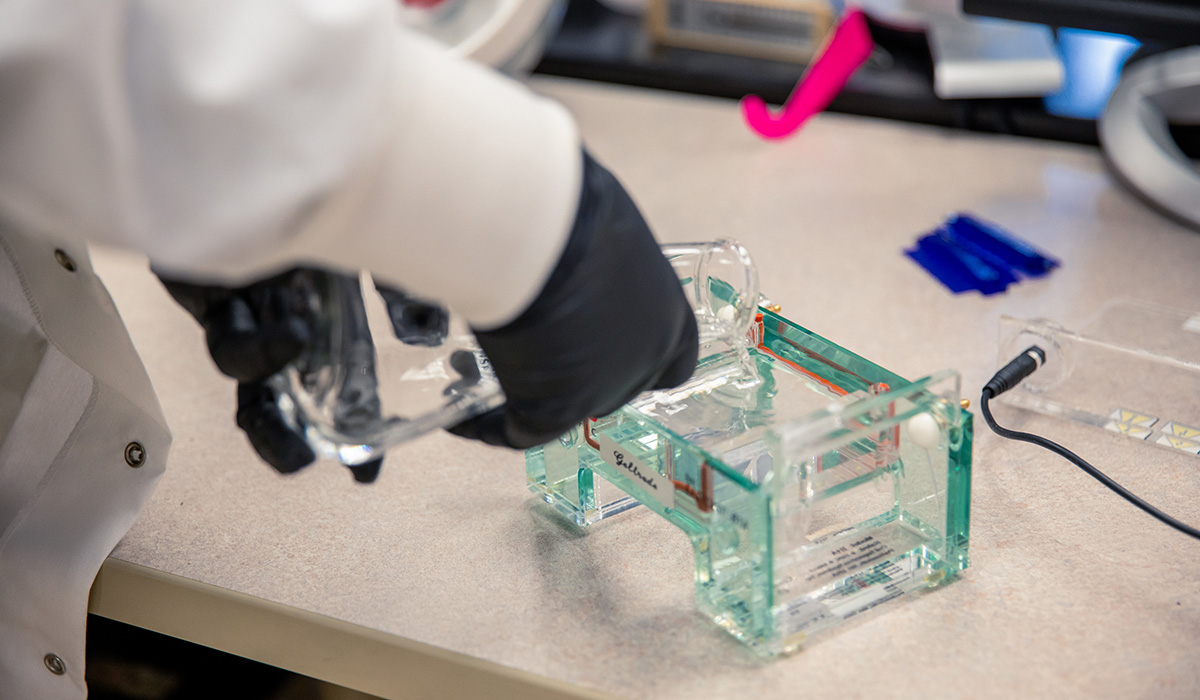
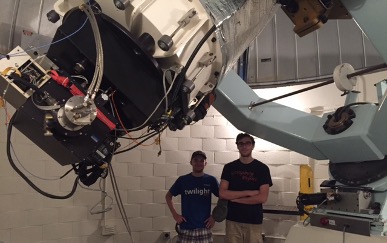
Earning a Physics degree at Gettysburg College is an immersive and supportive experience where students are encouraged to explore, question, and discover alongside dedicated faculty mentors. You’ll learn in small classes that emphasize collaboration and hands-on experimentation, from studying the motion of everyday objects to probing the mysteries of the cosmos in the campus planetarium or observatory. Here you'll find a close-knit community where students often work together on research projects, share discoveries in labs, and participate in campus-wide science events.
What is it like studying physics at Gettysburg College?
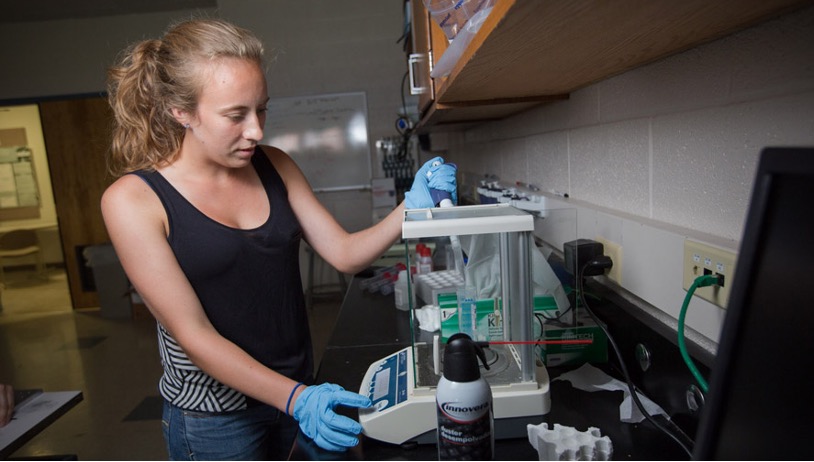
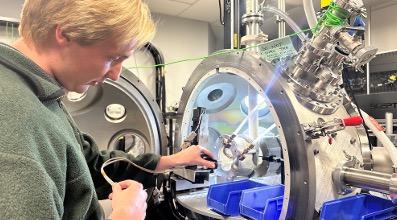
You’ll have a unique opportunity to work with cutting edge equipment while receiving one-to-one support of our dedicated faculty. In advanced labs, students are replicating Nobel Prize winning experiments, building experimental setups from scratch, developing computational skills using programming language, and working with their hands to develop vital skills coveted by employers. In theory courses, students are challenged to relate highly esoteric concepts to the world around them while building meaningful friendships within our welcoming community of physics students. Most of our students participate in at least one research project before their senior year, either with a member of the faculty or off campus at a national laboratory.
Interested in engineering?
We offer the Dual Degree Program for students to study physics at Gettysburg College for 3 years and then transfer to an engineering program (e.g., Columbia University) for another 2 years. After 5 years, you’ll receive two degrees: a physics degree and an engineering degree. This is a very popular program!
Career options with a physics degree?
Our students pursue diverse careers in medicine, government, business, law, engineering, and physics research. The Bachelor of Science (B.S.) degree is great for students who want to pursue further education or careers in science. The Bachelor of Arts (B.A.) degree is perfect for those wanting to pursue multiple majors at Gettysburg College (e.g., music and physics) or a Physics Concentration. The physics minor is useful for those looking to compliment or enhance another major (e.g., Chemistry major with Physics minor) in preparation for a more advanced program such as medical school.
Gettysburg’s physics majors have gone on to work in fields such as astronomy, astrophysics, business, education, engineering, law, mathematics, meteorology, physics, and psychology. Whether you seek a B.A. or B.S in physics, you’ll have ample career options to choose from.
Explore career options to learn more about post-Gettysburg employment.
Like working with your hands?
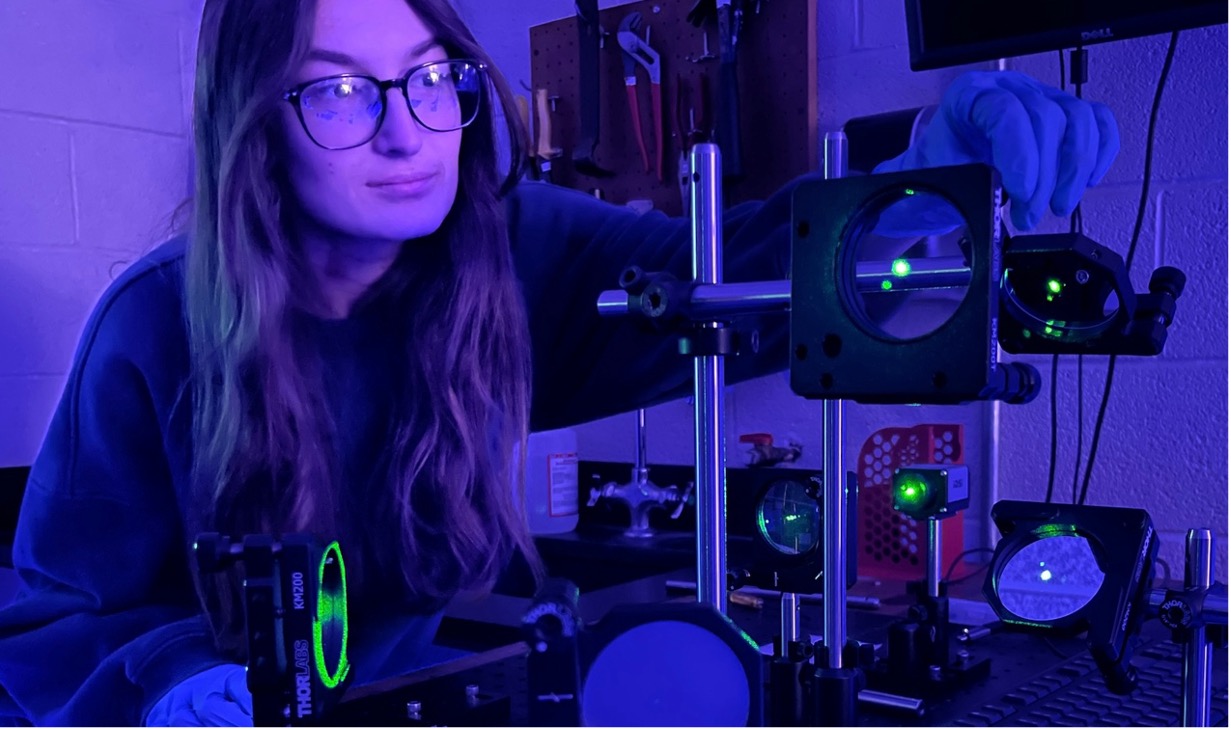
Take one of our advanced labs. We offer an electronics course (that fills up fast!) where students learn to solder, design circuits, and creatively develop their own projects. We also offer a quantum optics course to study, for instance, single photon events! Take a look at more courses.
Strong Gettysburg alumni network
All physics students have access to the Gettysburg Network via the connectGettysburg platform. Serving as the College’s online engagement, networking, and mentoring platform, connectGettysburg offers endless connections for networking with Gettysburg’s more than 32,000 alumni.
Hands-On with Physics


Tip: Use arrow keys or swipe.
Featured courses
Jump to level: All Physics courses